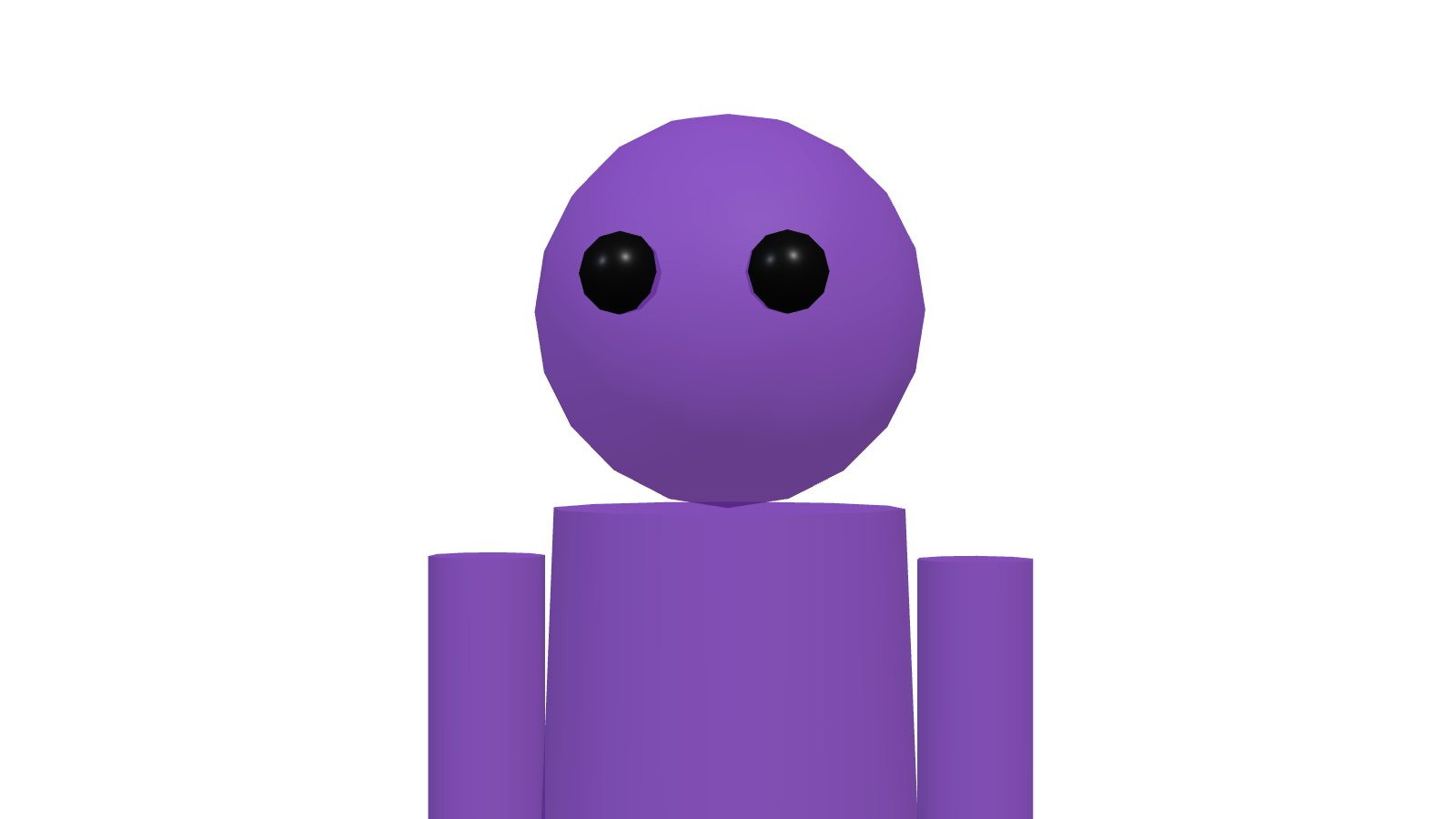
1. Rembrandt Lighting
A classical setup that places a small inverted triangle of highlight on the cheek. High drama, frequent in male portraiture and actor headshots.
- Key: 45° to either side of the subject's face, 30–50 cm above the head.
- Distance: 1.5–2.0 m (with a softbox).
- Reflector: White panel on the opposite side at hip height. The trick is keeping some shadow rather than killing it.
Turning the face 5–10° toward the key cleans up the triangle.
2. Loop Lighting
A small loop-shaped shadow falls beside the nose. Versatile and very forgiving — the right first lighting to learn.
- Key: 30–45° from camera, slightly above eye level.
- Look: Natural and soft. Works well for female portraits and corporate.
3. Butterfly (Paramount) Lighting
A butterfly-shaped shadow falls under the nose — hence the name. Sharpens facial structure. A staple of fashion and beauty.
- Key: Directly above the camera, angled down at the face (about 45° down).
- Going clamshell: Add a reflector or a weaker fill under the chin to smooth the skin.
"45 degrees, 1.5 metres, above eye level" is surprisingly hard to imagine in advance. Shot Planner lets you drag subject, camera and studio lights in 3D and see what each angle actually looks like — before you arrive.
4. Split Lighting
Light only half of the face. A high-contrast look used to great effect on musicians, hard-boiled headshots and monochrome work.
- Key: Straight to the side at 90°, level with the face.
- Caution: The shadow side drops completely to black — pay attention to the luminance gap between subject's clothing and the background.
5. Clamshell Lighting
Key above the face, fill below — sandwich the subject. Maximises skin detail while keeping shadows minimal. The default in beauty work.
- Key: 30–45° above the camera, 1.0–1.5 m from the subject.
- Fill: 30° below the camera, 1–1.5 stops weaker than the key.
- Camera: The lens sits exactly between key and fill.
How to Choose
Rather than memorising names, think in terms of "key light height" and "angle from camera." Then move through these decisions in order:
- Key light angle (the further from front, the more dramatic)
- Key light height (higher casts longer shadows → more dimension)
- Fill / reflector strength (preserve or crush shadow-side detail)
Try multiple patterns in 3D before the shoot and you won't second-guess yourself on set. Shot Planner can lay out subject, camera and studio lights for you — and switch through TOP/SIDE/FRONT views to confirm the angles.
Resolve your lighting
before you arrive.
Compare five portrait setups side by side in 3D. Free to sign up.
Try a setup →