What "Angle" Actually Means
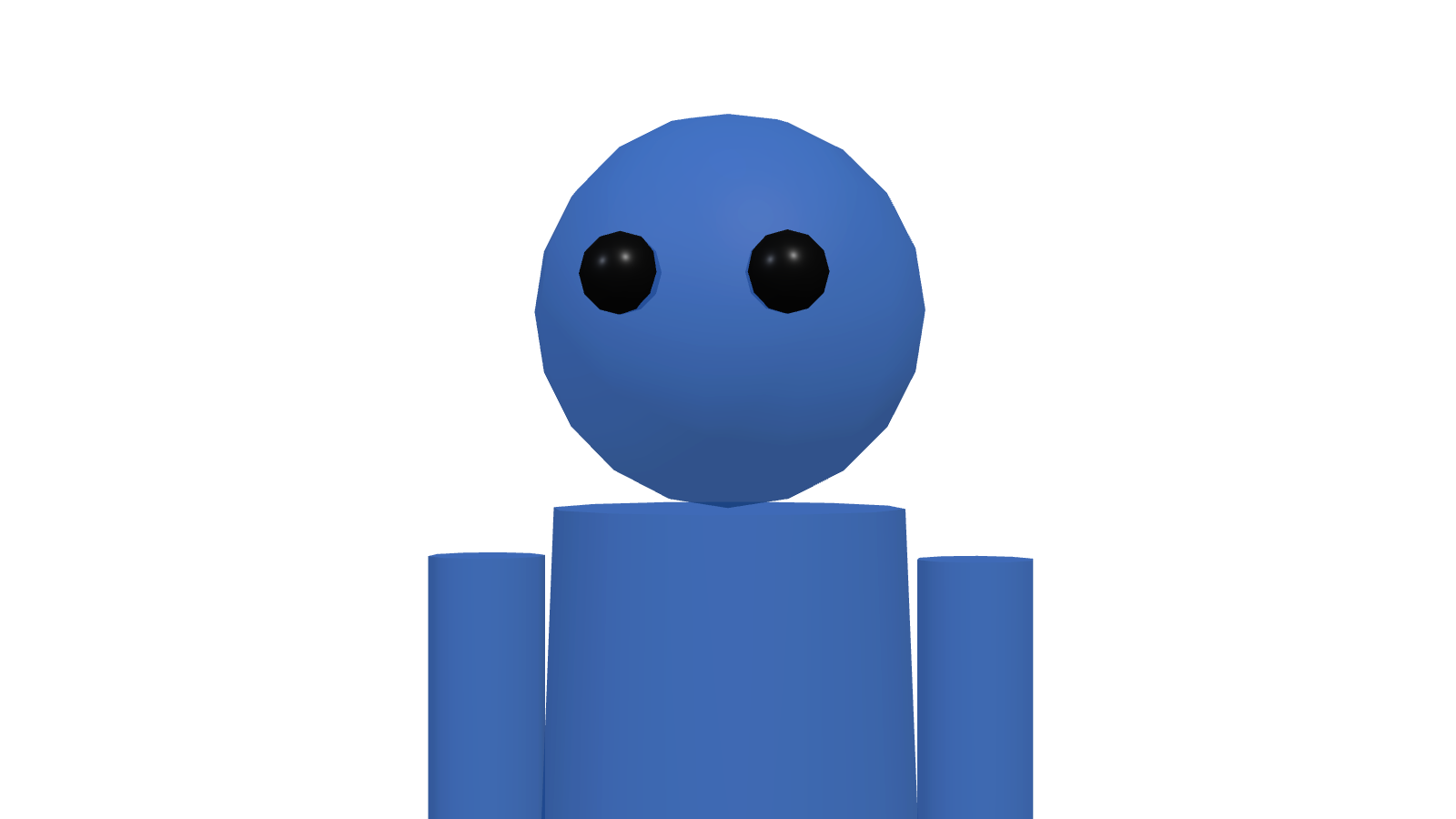
Angle is the relationship of the camera's height and orientation to the subject. Shifting up/down, left/right, forward/back from the subject's eye-line changes the viewer's vantage point — and with it, their psychological distance to the subject.
There is no "correct" angle. The angle is chosen to match the emotion or story context. The first step is widening your vocabulary of options.
① Eye Level
Camera at the subject's eye-line. The most neutral angle — the audience is positioned as an equal. Standard for interviews, documentary and dialogue.
- Use: Scenes that need to read as trustworthy or honest. Scenes that put the viewer "alongside" the subject.
- Watch out: Safe means easy to make dull. Plan it as part of a sequence with other angles.
② High Angle
Camera looks down from above the subject. Makes the subject look small, weak, isolated.
- Use: Defeated characters, cornered situations, a child seen from an adult's perspective.
- Watch out: Go too far and "sympathetic" tips into "condescending."
③ Low Angle
Camera looks up from below the subject. Makes them look tall, strong, imposing.
- Use: Hero entrances, introducing a powerful figure, capturing resolve.
- Watch out: Nostrils and under-jaw become visible. Manage both angle and lens height.
④ Bird's-Eye View
Camera looks straight down from directly overhead. The subject reads like a symbol on a map.
- Use: Showing the entire space, arranging crowds or food objectively. A staple of food video and tabletop ASMR.
- Watch out: Requires a drone or ceiling rig. Hard to keep stable handheld.
⑤ Worm's-Eye View
Camera near the floor, looking almost straight up at the subject. The viewer is on the ground looking up.
- Use: Architecture's grandeur, the speed of feet, the adult world from a child's perspective.
- Watch out: Floor dirt and cables show. Sweep before rolling.
⑥ Dutch Angle
Camera tilted left or right so the horizon is slanted. Tells the audience the world is "off."
- Use: Anxiety, confusion, madness, intoxication. Suspense, horror, music videos.
- Watch out: Overusing it exhausts the viewer. Reserve for 1–2 shots in a scene as seasoning.
⑦ Over-the-Shoulder (OTS)
Shooting the opposite person over the conversation partner's shoulder. The standard two-person dialogue angle. Puts the viewer "in the room."
- Use: Any dialogue, interviews, confrontations.
- Watch out: Shoulder silhouette size and focus plane dramatically change the feel. See The Complete Guide to the OTS Shot.
⑧ POV (Point of View)
The camera literally takes a character's perspective. The viewer becomes that character's eyes.
- Use: Subjective shots, horror, game-like staging, vlog.
- Watch out: Without a shot of the character's eyes immediately before, the audience doesn't know whose POV they're in.
⑨ Side / Profile
Camera straight to the side of the subject. Profile silhouette, motion from head to feet.
- Use: Walking shots, contemplative profiles, the standoff in boxing.
- Watch out: Only half the face is visible. Pair with another angle to capture emotion.
⑩ Front-On
Direct face-to-camera. The subject is addressing the viewer directly.
- Use: Presentations, vlogs, news anchors, fashion.
- Watch out: Inside a narrative this breaks the fourth wall — use it intentionally.
⑪ Back Shot
Camera behind the subject, looking past them at what they're seeing. Subject and viewer face the same direction together.
- Use: Characters facing a landscape, departures, the entry into a boss fight.
- Watch out: No face. Surrounding cuts must carry the emotion.
⑫ Crane / Jib Shot
The camera travels large distances vertically. Technically movement rather than angle, but the change of angle (from earth to sky, or sky to earth) is itself the device.
- Use: Ending a scene, rising from a crowd to the sky, the reveal of a character.
- Watch out: Expensive equipment. A gimbal on a tall pole or a drone can substitute.
Saying "actually, let's go low" on the day forces a re-rig of lights, mics and floor protection. Lay out room, subject and camera in 3D in Shot Planner and you can pre-confirm what every angle frames.
Three Questions for Picking an Angle
Names don't help if you can't pick on the day. Ask yourself:
- What relationship should the audience have with the subject? (Equal / looking down / looking up / alongside)
- What are the cuts immediately before and after? (Will the angles edit together, or do they collide?)
- Why does it have to be this angle? (If you can't answer, eye-level is the safe default.)
Checklist
- Are angles consistent within the scene, not scattered?
- On low angles, are nostrils or under-jaw visible?
- On high angles, is the crown of the head being emphasised unflatteringly?
- Is the Dutch angle's tilt intentional? (A half-committed 5° looks like an accident.)
- For POV, is the preceding cut establishing whose eyes we're in?
Lock the angle in before you arrive.
Shot Planner lets you freely change camera height, orientation and lens to find the right angle before the shoot.
Try angles →