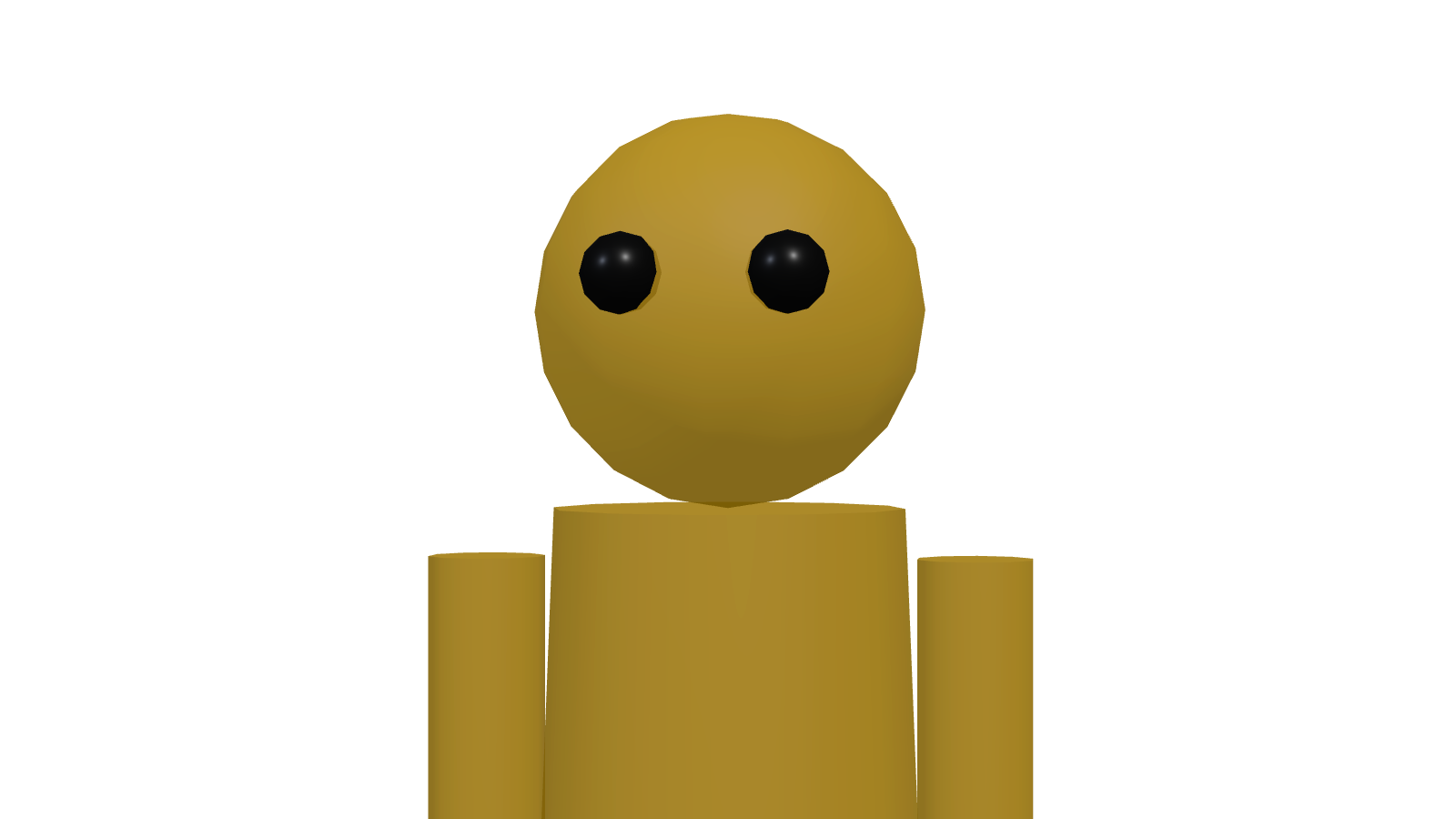
What Three-Point Lighting Is
Three-point lighting is a classical technique that combines three light sources, each with a clear role. The combinations can carry you from "news anchor" to "cinematic" to "soft and gentle" without changing the underlying logic.
- Key light: the main source — defines form
- Fill light: the support — lifts shadows cast by the key
- Back light: from behind — separates subject from background
① The Key Light
The principal light. Defines the lit side of the subject and the entire sense of dimensionality.
Placement
- Position: 30–45° to one side of the subject from the camera's perspective.
- Height: Slightly above the subject's head (eyes + 30–60 cm). Light should fall diagonally down.
- Distance: 1.5–2.5 m. Diffuse through a softbox or umbrella.
Role
The angle of the key determines how the face's shadow side reads. Rembrandt, loop, split — these are all just different key angles. See 5 Portrait Lighting Setups.
② The Fill Light
"Lifts" the shadow cast by the key. How much shadow you leave determines whether the picture reads as hard or soft.
Placement
- Position: Opposite side from the key, at 30–45° to the subject.
- Height: Around the subject's eye level, or slightly lower.
- Distance: Slightly farther than the key, or matched distance with reduced output.
Intensity (Key-to-Fill Ratio)
The ratio between key and fill brightness controls the entire mood of the picture.
- 1:1 (flat): No shadows. News, e-commerce product shots.
- 2:1 (soft): Mild shadows. Corporate interviews, YouTube.
- 4:1 (standard drama): Strong shadows. Film and dramatic content.
- 8:1 (heavy contrast): Deep blacks. Suspense, noir.
You can replace the fill entirely with a white reflector bouncing the key. If you don't want extra gear, that's enough.
③ The Back Light
Light from directly behind, or slightly behind and above. Creates a rim of light on hair and shoulders that separates the subject from the background. Also called rim light or hair light.
Placement
- Position: Directly behind, or 45° behind to one side.
- Height: Clearly above the subject's head (2.0–2.5 m). The light angles downward.
- Distance: 1.0–2.0 m from the subject. A harder, spot-like source is usually easier to control.
Caution
The back light must never enter the camera's frame. Even a glimpse of the source creates lens flares and ghosts. Use a flag (black cutter) to block any spill toward the camera.
Variations
Pattern A: News Anchor
- Key: Slightly to the right at 45°, diffused through a softbox.
- Fill: Slightly to the left at 45°, two-thirds the output of the key.
- Back: Behind and to the right, lighting hair.
Reliable, trustworthy. The default for corporate interviews.
Pattern B: Cinematic
- Key: 45° to the side of the subject with a smaller softbox.
- Fill: Reflector on the opposite side, or a fill at 1/4 output.
- Back: A harder spot from behind at an angle.
Half the face in shadow — dramatic. Suited to cinematic interviews and serious conversations.
Pattern C: Natural Light Mix
- Key: Window light used directly as the source.
- Fill: LED panel from the opposite side, colour-matched to the window.
- Back: Small LED on the hair if needed.
Minimal gear. The critical move is matching colour temperature to the window light.
The Fourth Light: Background
Strictly, this is three-point lighting. In practice, productions often add a fourth: the background light. It's aimed at the wall or cyc behind the subject and creates a sense of depth between subject and background.
- Position it where it can't hit the subject — only the background.
- A flat background reads flat. Add a gradient and the picture gains depth.
- Add a colour gel (blue, purple) and the look jumps to music-video / YouTube territory.
Common Mistakes
- Key too low — face looks flat: at least 30 cm above eye level.
- Fill too strong — dimension disappears: watch the ratio.
- Back light visible in frame: use a flag.
- Mismatched colour temperatures: LED, tungsten and daylight don't mix gracefully. Unify them.
- Hard shadows on the back wall: push the subject 1.5 m or more from the wall.
Checklist
- Is the key at 30–45° and above eye level?
- Does the key-to-fill ratio match the intended mood?
- Is the back light outside the camera frame?
- Are all three sources matched in colour temperature?
- Is the subject far enough from the background to avoid hard shadows?
- Are flares or ghosts appearing where they shouldn't?
Build three-point lighting in 3D.
Shot Planner visualises each light's position, height and beam angle in 3D — so you can confirm every light ray before you arrive on set.
Try three-point lighting →